Reader-supported: we may earn a commission when you buy through our links, at no cost to you. As an Amazon Associate we earn from qualifying purchases. Learn more.
Flying in a bigger body is mostly a planning problem. The seat is the size it is, but you get to choose a lot around it: the airline, the row, the boarding moment, what you wear, and what's in your bag. Get those right and the seat itself becomes the smallest part of the day.
These tips come from airline policy pages, federal rules and the travel advice fat flyers trade with each other. Where a tip depends on an airline's rules, we link the source so you can check it before you fly.
Quick picks
- 1Best for Swollen AnklesDoctor's Select Plus Size Wide Calf Compression Socks, 20–30 mmHg (3 Pairs) calf up to 27 in View on Amazon
- 2Best Neck Pillow for Bigger NecksTrtl Pillow Plus Travel Pillow View on Amazon
- 3Best for Noisy CabinsLoop Quiet 2 Reusable Earplugs View on Amazon
- 4Best Fee-SaverEtekcity Digital Hanging Luggage Scale View on Amazon
- 5Best for Long Airport WalksBody Glide Original Anti-Chafe Balm Stick 0.35 oz pocket to 2.5 oz large stick Find on Amazon
- 6Backup Extender (Ask First)Adjustable 7–31" Universal Airplane Seat Belt Extender adds 7–31 in View on Amazon
Our picks
1Best for Swollen Ankles
Doctor's Select Plus Size Wide Calf Compression Socks, 20–30 mmHg (3 Pairs)
Doctor's Select
- Fit
- XL–6XL (calf 15–27 in)
Long flights and swelling go together, and most compression socks stop at calves bigger bodies outgrew years ago. This plus-size pack runs to XL–6XL, and its size chart goes up to a 25–27 inch calf. It's rated 20–30 mmHg, which is firm, so check with a clinician if you're unsure that level is right for you.
Why we like it
- Size chart runs to a 27 in calf at 6XL, the biggest range we confirmed
- Three pairs (black, gray, navy) to rotate on a long trip
- Sized by calf measurement, not just shoe size
Keep in mind
- 20–30 mmHg is a firm level; ask a clinician if you're unsure it's right for you
- Budget multipack, and the compression level isn't independently verified
- Check the size-chart image on the listing for your exact calf and ankle size
2Best Neck Pillow for Bigger Necks
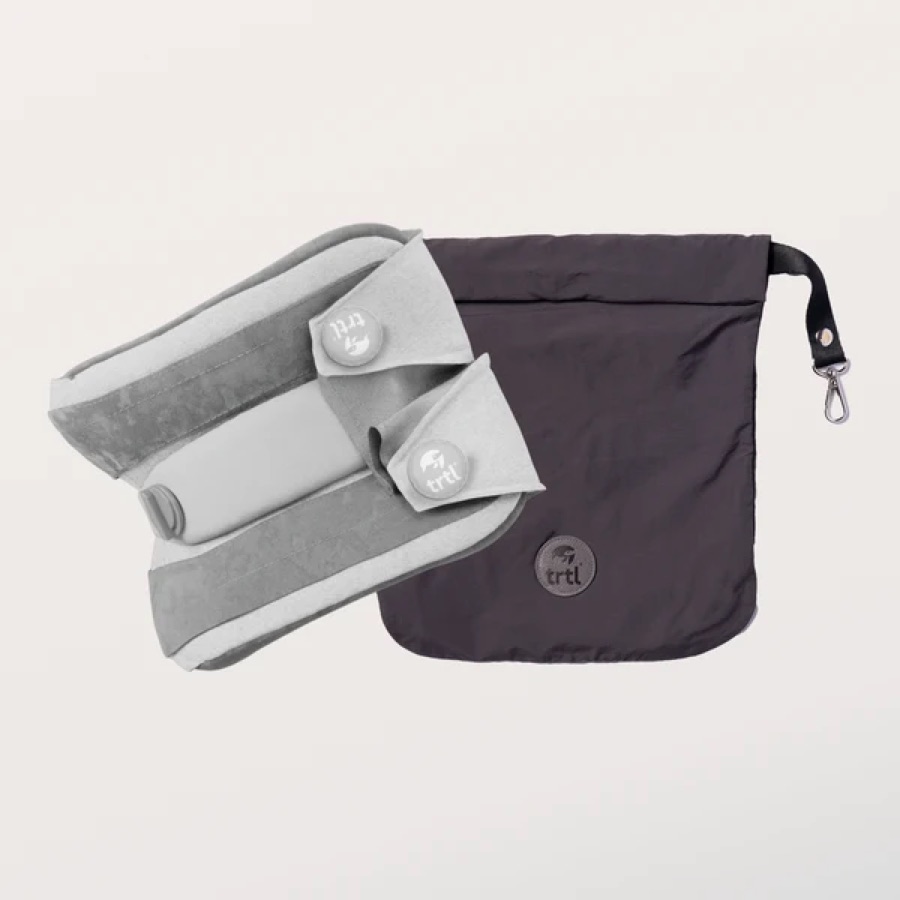
Trtl Pillow Plus Travel Pillow
Trtl
Classic U-pillows have to wrap around your neck, and on a bigger neck they push your head forward. The Trtl is a soft wrap with a support on one side, so there's no ring that has to close. Lean into the window and sleep.
Why we like it
- No U-shaped ring to squeeze around your neck
- Adjustable support height on the Plus model
- Packs flatter than a foam U-pillow
Keep in mind
- Supports one side at a time, so you pick a lean
- Fleece wrap can run warm
- Check the listing for the current size and fit
3Best for Noisy Cabins
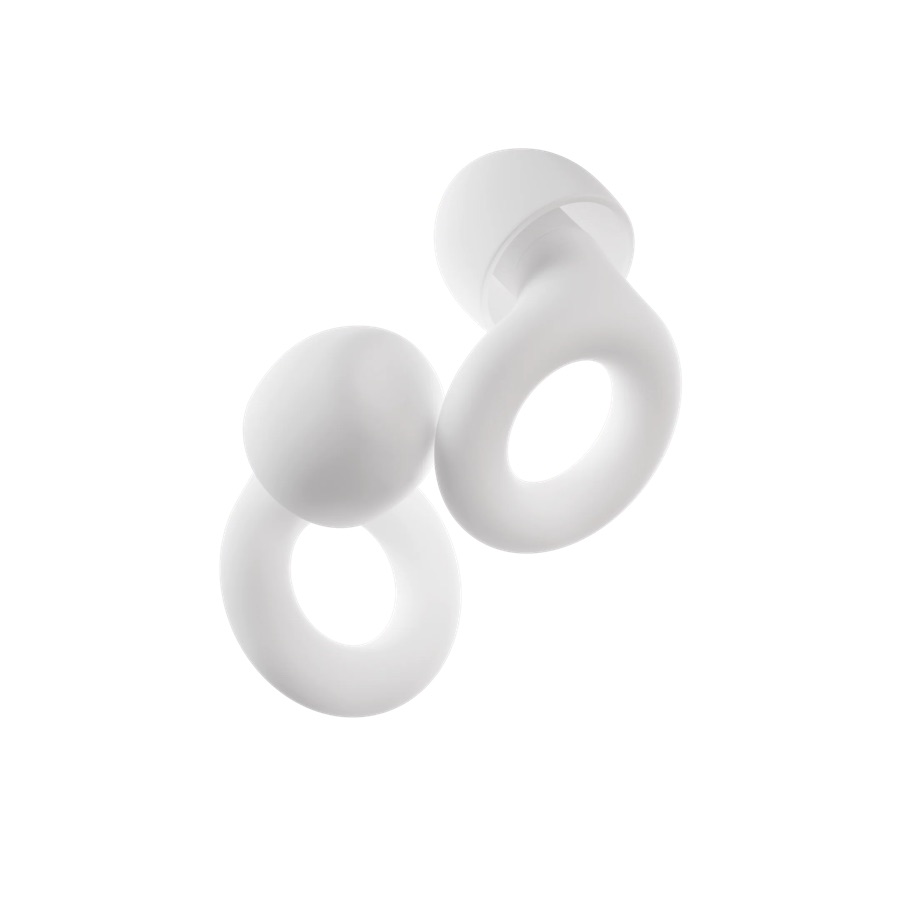
Loop Quiet 2 Reusable Earplugs
Loop
If the person next to you is narrating their movie, these soft silicone plugs take the edge off. They come with several tip sizes and pack into a tiny case. Check the listing for the current noise rating.
Why we like it
- Multiple tip sizes to find a seal
- Low profile, so you can lean on a window or pillow
- Reusable, with a carry case
Keep in mind
- Reduces noise rather than silencing it
- Small and easy to lose without the case
- Check the listing for the current noise-reduction rating
4Best Fee-Saver
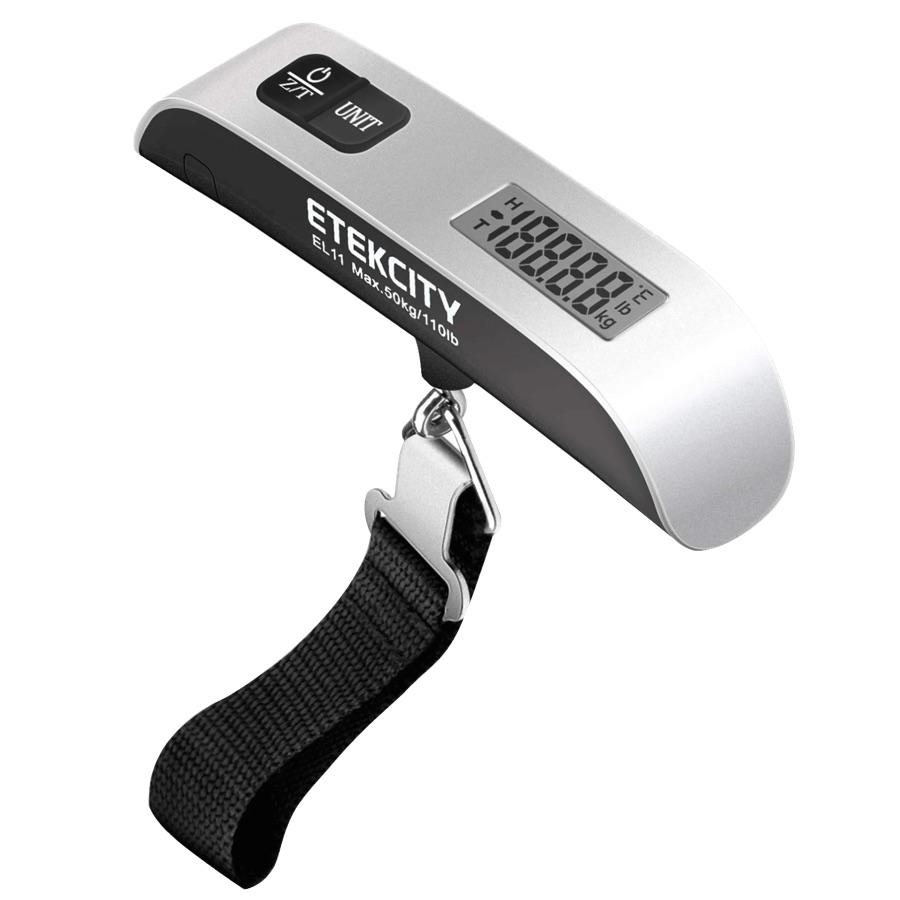
Etekcity Digital Hanging Luggage Scale
Etekcity
Bigger clothes weigh more, and the check-in counter doesn't care why. A pocket hanging scale tells you whether your bag is over the limit while you can still move a pair of jeans into your carry-on. Check the listing for the current maximum.
Why we like it
- Hook-and-strap design weighs a bag in seconds
- Small enough to pack for the trip home
- Reads in pounds or kilograms
Keep in mind
- Lifting a full bag by one handle takes grip strength, so use two hands
- Runs on a battery; pack a spare for long trips
- Check the listing for the current max weight
5Best for Long Airport Walks
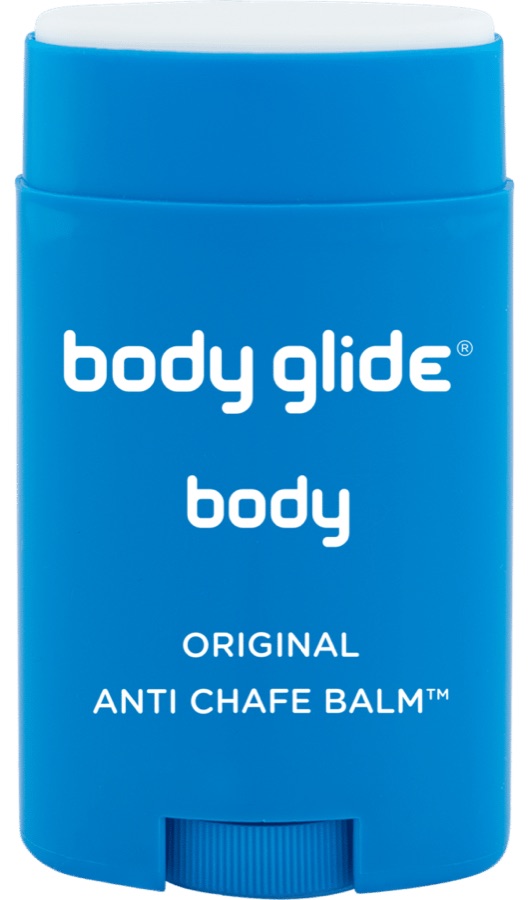
Body Glide Original Anti-Chafe Balm Stick
Body Glide · $
- Fit
- 0.35 oz pocket to 2.5 oz large stick
Terminals are long, and connections are often at the far end. A swipe of anti-chafe balm on your thighs before you leave home turns a sprint between gates into just a walk. The small stick fits in a carry-on toiletry bag.
Why we like it
- Four sizes, from a 0.35 oz pocket stick to a 2.5 oz stick that covers a lot of thigh
- Goes on dry, not greasy, and washes off with mild soap, per the brand
- Listed as sweat and water resistant
Keep in mind
- Body Glide's own warnings say it may stain some fabrics
- Needs reapplying on long, hot days
- Prevention only; it isn't meant for skin that's already broken
6Backup Extender (Ask First)
Adjustable 7–31" Universal Airplane Seat Belt Extender
Unbranded
Most of the time the smoothest move is asking a flight attendant for the airline's extender as you board; it's free and routine. A personal extender only makes sense on an airline that confirms passenger-owned extenders are allowed. Southwest and Delta say to use theirs, and no extender is allowed in an exit row. Our airline seatbelt extender guide covers the rules.
Why we like it
- Wide adjustable range (7–31 in per the listing), so you add only the length you need
- Small enough to live in your personal-item bag
- Saves a call-button request on airlines that permit personal extenders
Keep in mind
- Many airlines do not allow passenger-owned extenders and require the airline-provided one, so ask the airline first
- Be skeptical of 'FAA approved' labels on any extender sold to consumers
- Per the listing, it does not fit Southwest's buckles
Before you book: know your airline's size policy
This is the tip that saves the most money and stress. Airlines handle bigger passengers very differently, from "buy a second seat at the current price" (Frontier) to "within Canada, the extra seat is free with approval" (Air Canada, WestJet). Our airline customer of size policies guide compares 14 airlines and links each source.
A few things worth knowing before you click "purchase":
- The armrest is the usual test. If you can't lower both armrests, most US airlines expect a second seat. US rules let them charge for it (14 CFR 382.31).
- Buying ahead is usually cheaper. Alaska sells the second seat at the same fare as the first. Frontier charges whatever the price is when the gate agent decides.
- Refunds have fine print. Southwest refunds a second seat only when both are in the same fare class, the flight leaves with an open seat, and you ask within 90 days (Southwest).
How to pick the best seat when you're plus-size
- Aisle beats window for most bodies. You can lean out a little, stand up without negotiating, and walk the aisle on long flights.
- Look for armrests that lift. Delta says many of its aircraft have armrests that lift, and you can ask for the seat that works best for you in your cabin.
- Be careful with bulkheads. Extra legroom is great, but some front-row seats have fixed armrests with built-in tray tables, as JetBlue notes. That can make the seat narrower at the hips.
- Skip exit rows if you might need an extender. Southwest and Allegiant bar extenders there.
- Check the seat width if the airline publishes it. Few do. Delta lists 17.2 inches for standard Economy, and Allegiant lists 17.8 inches armrest to armrest.
- Ask about the empty seat. Delta says you can ask on the plane to be moved next to an empty seat. On any airline, you can ask the gate agent before boarding whether the flight has open seats.
Ask for the seatbelt extender at the door
Ask the flight attendant as you board, rather than once you're seated and buckling. Delta says to request one from a flight attendant after boarding, and Southwest supplies its own. Delta doesn't allow personal extenders, so don't plan on bringing one without checking. Our seatbelt extender guide has the full rules.
Get help through the airport, free
US airlines must assist passengers with disabilities through the airport, including between gates on connections (14 CFR 382.91), and they can't charge for help the rules require (382.31). If long terminals, standing in line or stairs are hard for you because of joint, heart, breathing or other health issues, request a wheelchair or assistance in your booking. JetBlue says there's "never a fee" to add a special service request to a reservation (JetBlue). While you're at it, ask whether you can preboard. That gives you time to settle in and get the extender before the aisle fills.
What to wear on a plane when you're plus-size
- Soft waistbands. You'll be sitting for hours, often with a belt across your lap.
- Layers. Cabins swing between sauna and freezer. A cardigan or zip hoodie beats a heavy coat that eats your seat space.
- Anti-chafe protection for the walk to your gate: balm, bike shorts or thigh bands.
- Wide, supportive shoes that slip on and off for security and fit swollen feet at landing.
Long flights: move, hydrate, compress
The CDC's page on blood clots and travel says trips over 4 hours raise clot risk and lists obesity among the risk factors. It recommends walking every 1 to 2 hours, plus stretching and ankle flexes in your seat. It suggests talking to a doctor if you're at higher risk, noting that some people may benefit from graduated compression stockings. For sizes that fit real calves, see our wide-calf compression socks guide. For everything else in the bag, see the long-haul flight comfort kit.
Pack smarter, not heavier
Plus-size clothes take more room and weigh more. That matters when Delta's standard checked bag, for example, maxes out at 50 lb. Weigh your bag at home, roll instead of fold, and use compression packing cubes. Our luggage and travel gear guide has picks.
If something goes wrong
If a crew member or gate agent handles your seating badly, stay calm and get names, times and your flight number. Then write to the airline afterward and quote its own published policy, which is easiest when you saved a screenshot before the trip. Having the airline's own words in front of you is the strongest position you can be in.
Frequently asked questions
What is the best airplane seat for a plus-size person?
Usually an aisle seat in a row where the aisle armrest lifts, so you can shift a little into the aisle space when the cart isn't coming. Avoid exit rows if you might need an extender. Watch out for bulkhead rows where the tray table lives in the armrest, which can make the seat tighter at the hips.
Do I have to tell the airline I'm plus-size?
No, but if you think you'll need a second seat, the airline's process works best when you book ahead. Southwest strongly recommends buying the extra seat before travel, Alaska and Allegiant ask you to book it in advance, and Frontier can require it at whatever the price is at the time.
Can I get wheelchair assistance at the airport if I'm not disabled?
Federal rules require US airlines to help passengers with disabilities get through the airport, including between gates for connections, and the airline can't charge for required help. If long walks or standing are hard for you because of your health, it's fine to request it. Add it to your booking or ask at check-in.
How do I avoid blood clots on a long flight?
The CDC recommends walking around every 1 to 2 hours on trips over 4 hours, flexing your ankles and stretching your legs while you sit. It lists obesity among the risk factors and suggests talking to a doctor before travel if you're at higher risk, since some people benefit from graduated compression stockings.
Get everything on this list
Send every pick to your Amazon cart in one click, or save them to My List to mix with picks from other guides.
How we pick: we compare manufacturer specs (weight capacity, seat width, size range), read reviews from bigger buyers, and check return policies. We don’t accept payment for placement. Specs change — confirm on the listing before you buy.